Free AI tools feel tempting, but paid plans can be a breakthrough. Learn the critical signs to upgrade, avoid waste, and build a verified AI stack in 2025.
The free vs paid question is now a serious business choice
In December 2025, AI tools are everywhere. They write, summarize, search, design, and code. They also schedule meetings, draft contracts, and answer customers at scale. This is exciting. It is also risky. The stakes feel urgent. The right call is critical.
Free tiers look like a gift. They remove friction. They let you test fast. However, “free” is rarely unlimited, and it is rarely built for steady, high-pressure work.
Paid tiers can feel expensive at first glance. Yet they often buy something priceless: reliable access. They also unlock stronger models, larger context windows, better privacy controls, and team features that keep work consistent.
Consequently, the best choice is not a brand. It is a fit. You are buying outcomes: speed, accuracy, confidence, and fewer ugly surprises. A proven, verified method keeps the choice calm.
Many buyers feel overwhelmed. The hype is loud. However, you can make a calm, confident, proven choice. Focus on verified results. Prefer reliable access. Demand secure handling. Seek authentic terms. Use a simple, critical test. When stakes are vital, paid plans can be essential. When work is light, free tools can still be rewarding.
Why this decision got harder in 2024 and 2025
The AI market changed fast in 2024 and 2025. The pace was revolutionary. Stanford’s 2025 AI Index highlights a sharp rise in business adoption, with 78% of organizations reporting AI use in 2024, up from 55% the year before. That jump matters. It means AI moved from curiosity to a daily operational layer.
At the same time, the supply of tools exploded. Thousands of apps now wrap the same few foundation models. Many offer “free” access to attract users. Some also hold exclusive features for paying users. Meanwhile, premium tiers compete with bigger limits, better quality, and new features such as agents, tool use, and deeper research modes.
Additionally, regulators and buyers became stricter. Teams now ask direct questions about data retention, training use, and audit logs. That pressure makes free tiers feel less comfortable for sensitive work. Buyers want authentic clarity.
The real promise you should focus on
Most people compare features. Smart teams compare risk and repeatability.
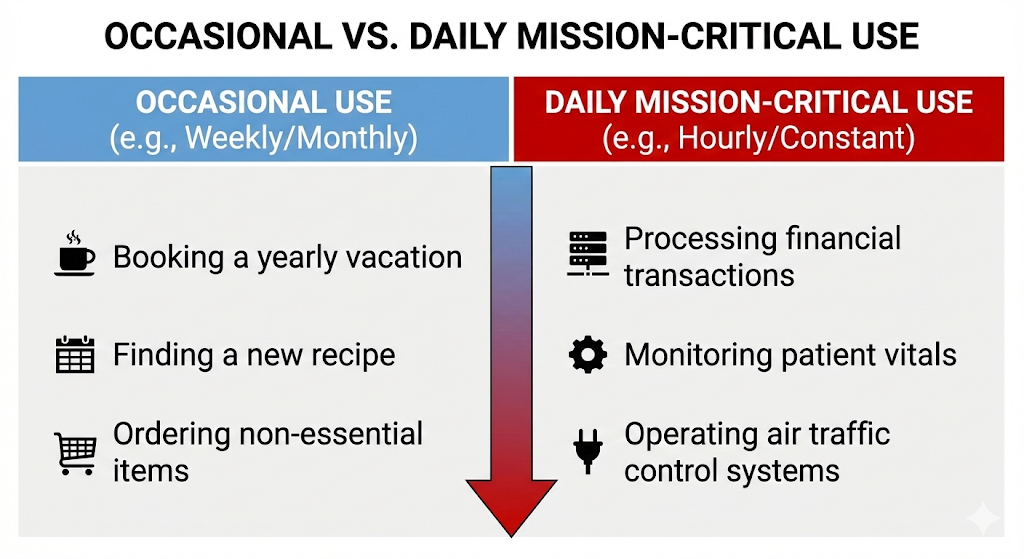
If you need a tool for occasional brainstorming, free can be powerful. If you need consistent outputs, traceable decisions, and predictable access, paid plans can become essential.
Consequently, focus on one question: will this tool behave the same way tomorrow, under pressure, with real data? If the answer is shaky, paying often becomes the safer, more confident choice.
What “free” really means in AI tools
Free AI tools are not fake. Many are excellent. However, free plans are designed for exploration, not guarantees. They are rarely certified for your specific risk.
A useful way to think about it is simple. Free tiers optimize for acquisition. Paid tiers optimize for retention and value.
Limits, queues, and hidden caps
The first shock with free plans is not quality. It is access. Free is not a guaranteed bargain.
Free users often face message caps, slower responses, and peak-time limits. Some tools reduce the model quality silently when demand spikes. Others cap file uploads, context length, or the number of images you can generate per day.
Additionally, free tiers can limit advanced modes. You might lose web browsing, data analysis, agent workflows, or higher accuracy settings. In practice, that means you spend more time rephrasing prompts and cleaning outputs.
Consequently, the “cost” becomes time and frustration. That cost is real, even if no invoice arrives.
Data use, privacy, and training questions
Here is the uncomfortable truth. Many free consumer tools rely on data to improve products. Some tools may use inputs to train models, or to fine-tune safety systems, unless you opt out.
For low-stakes tasks, that may be acceptable. For sensitive work, it can be critical. Vital decisions need authentic safeguards.
Think about what you paste into an AI tool: customer tickets, private plans, internal code, contracts, medical notes, or financial forecasts. If you cannot clearly control retention and reuse, free plans can be a serious risk.
Furthermore, compliance expectations rose in 2024 and 2025. The EU AI Act entered into force in 2024 and rolls out obligations in phases. Even if you are outside the EU, many vendors follow EU-style requirements because clients demand it.
Reliability, support, and accountability
Free tools usually offer minimal support. If a feature breaks, you wait. If outputs look wrong, you troubleshoot alone.
Paid plans often bring priority access and clearer escalation paths. For teams, this feels like a safety net. It is not glamorous, but it is vital.
Moreover, paid tiers can provide admin controls. That includes user management, policy settings, and sometimes audit trails. These controls are powerful when you need verified, repeatable workflows. They feel vital when pressure spikes.
What you actually buy when you pay
Paying is not just about “better AI.” It is about removing constraints that block serious work.
In December 2025, most premium plans focus on four promises: better models, higher limits, stronger integrations, and better trust controls.
Better models and more consistent quality
Premium tiers often unlock higher-performing models. The difference shows up in reasoning, long documents, and complex instructions.
In practical terms, paid tools tend to handle nuance better. They follow formats more reliably. They also hallucinate less often in familiar domains, though no model is perfect.
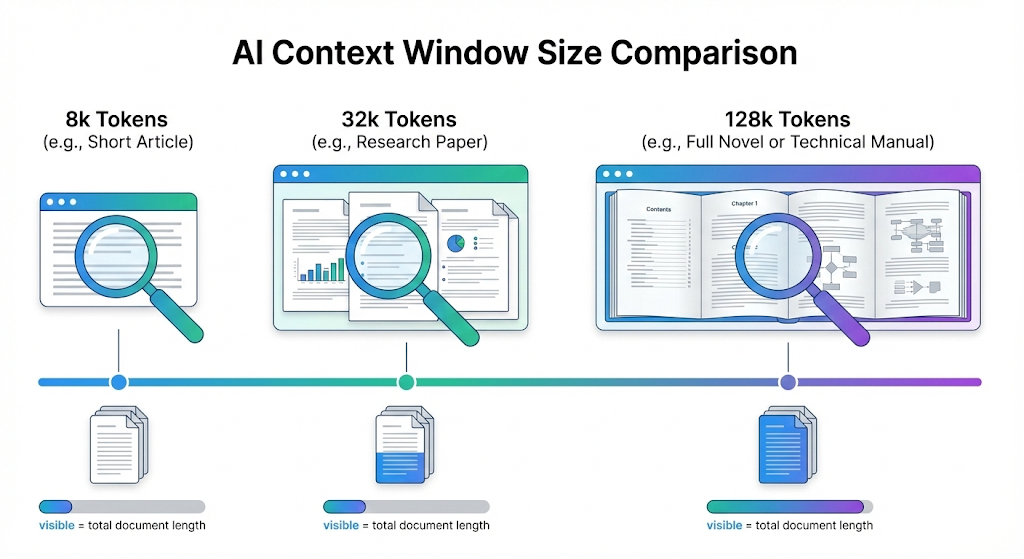
Additionally, premium tiers often support longer context windows. That means you can feed larger PDFs, longer meeting transcripts, and bigger codebases. If your work involves deep documents, this can be a breakthrough.
Multimodal work and richer inputs
Modern AI is not only text. Multimodal tools can read images, interpret charts, and generate visuals. That is exciting for marketing, product teams, education, and design. Still, verified process matters.
Paid tiers often allow higher-resolution generation, faster rendering, and more iterations. They also enable advanced editing controls, like style consistency and image-to-image workflows.
Consequently, paid plans reduce the painful loop of “try, fail, adjust, repeat.” That loop kills momentum. Removing it feels immediately rewarding.
Integrations, automation, and agentic workflows
The biggest shift in 2025 is agentic AI. Many organizations are experimenting with agents that can take multi-step actions, not just answer questions.
Agents matter because they do tasks, not just responses. They can pull data from tools, draft outputs, and follow multi-step processes. However, agents need permissions, connectors, and guardrails.
Paid plans usually unlock integrations with email, docs, calendars, CRMs, ticket systems, and knowledge bases. They also support “tool calling” and structured outputs. This can turn AI into a reliable teammate.
Governance, admin controls, and trust
Trust is a competitive advantage now. ISO/IEC 42001 created a management system standard for AI governance. NIST’s AI Risk Management Framework also shaped how buyers think about trustworthy AI.
Paid business plans often align with these expectations. The most trusted ones back claims with certified evidence. They can offer policy settings, data controls, and better terms for business use. Some plans also include SSO, role-based access, and tenant isolation.
Furthermore, paid tiers can support data residency options, retention controls, and access logs. These features are not “nice to have” when you handle confidential information. They are essential.
A practical decision framework for December 2025
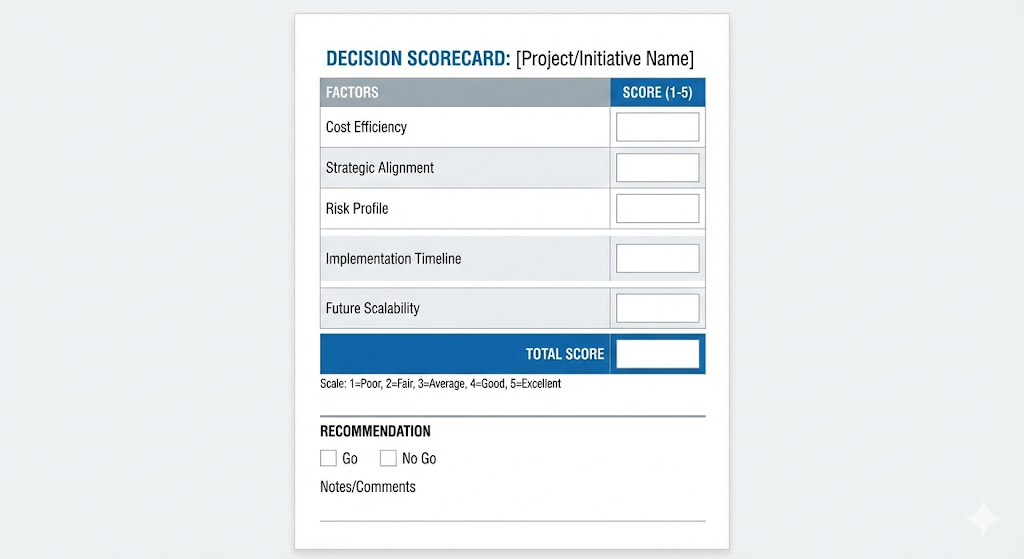
You can decide with a simple approach. The goal is a confident, proven choice. Focus on five upgrade triggers and four “stay free” signals. Then score your use case with brutal honesty.
Five upgrade triggers that usually justify paying
Trigger 1: You hit limits every week. If message caps stop you often, your workflow is already broken. Paid access becomes immediate relief. For many teams, that relief is essential.
Trigger 2: Your work is sensitive. If you handle private customer data, contracts, or internal strategy, stronger controls are critical.
Trigger 3: You need consistent formatting. Paid tiers often follow structure better. That is vital for reports, proposals, and templates.
Trigger 4: You rely on integrations. If you need AI inside your docs, tickets, CRM, or code tools, paid plans unlock the connectors.
Trigger 5: You need accountability. Audit logs, admin controls, and team governance are essential in real operations.
Additionally, one hidden trigger matters: speed under pressure. If you need results during peak times, priority access becomes a proven advantage.
Four reasons to stay free, without guilt
Free can be the best option when these conditions are true.
First, your tasks are low-stakes. Think brainstorming, learning, and casual writing.
Second, your usage is light. If you use AI a few times per week, free tiers can be rewarding.
Third, you can tolerate rough edges. Free plans are great for testing new features, even if they fail sometimes.
Finally, you can keep inputs clean. If you avoid sensitive data, free tools feel safer.
However, staying free is not the same as staying careless. Keep a strict boundary around confidential content.
A quick scoring method that avoids overthinking
Give yourself a score from 0 to 2 for each factor below. Then add it up.
Access pressure. Data sensitivity. Workflow depth. Team reliance. Compliance needs.
Scores from 0 to 3 usually fit free. Scores from 4 to 6 are mixed. Anything from 7 to 10 is a loud signal to pay for stability.
Use cases that make the difference clear
Most debates about free vs paid stay abstract. Real value shows up in specific workflows. The sections below reflect common, high-impact uses in 2025.
Customer support and service operations
Customer service is a high-pressure environment. Speed matters. Tone matters. Accuracy matters.
Free tools can help agents draft replies. They can rewrite messages with empathy. They can also summarize tickets. That is useful for small teams.
However, paid tools become critical when you scale. You want consistent brand voice, approved templates, and access to a knowledge base. You also want guardrails that prevent the AI from inventing policies.
Additionally, customer support often touches private data. That pushes you toward paid business tiers, or toward AI features inside trusted ticketing platforms.
Furthermore, a paid tool can support “RAG” workflows. RAG means retrieval augmented generation. It lets the model pull answers from verified internal docs. This reduces hallucinations and boosts trust.
Marketing, content, and brand consistency
Marketing teams love free tools. Speed is their charm. Playfulness helps ideation. In minutes, they can generate ideas.
Free plans are great for headline tests, outline drafts, and quick social captions. They can be a breakthrough for early ideation. They also help with basic SEO research and content repurposing.
However, paid plans often win on consistency. They keep a longer memory of your guidelines inside a project. They also support better style control, longer context, and more reliable revisions.
Moreover, paid tools can connect to your CMS, docs, and analytics. That integration reduces copy-paste chaos. It also makes review cycles faster.
Consequently, if your brand voice is critical, paid tools feel like a verified upgrade. They support authentic consistency. Fewer embarrassing mistakes follow.
Software development, code review, and debugging
Developers often start with free code assistants. They get basic completions and quick explanations. That is exciting.
Yet paid plans tend to offer stronger code understanding, bigger context, and better IDE integration. They also help with refactors across multiple files.
Additionally, modern engineering workflows need security. Prompt injection, data leaks, and unsafe dependencies are real risks. Paid enterprise tiers often include policy controls and stronger data terms.
Furthermore, paid tools can support unit test generation, docstrings, and code review summaries. These features save time. They also raise code quality if used with care.
Still, you must keep a critical mindset. Verified tests remain the proven guardrail. Use linters. Treat AI outputs as a draft, not truth.
Data analysis, research, and decision support
In 2025, AI is a serious research assistant. It can summarize reports, extract key numbers, and compare options.
Free tools can handle small tasks well. They can interpret a short table and explain trends.
However, paid tools often unlock deeper analysis modes, larger file support, and better structured outputs. That matters when you work with long reports, multiple datasets, or multi-step reasoning.
Additionally, paid plans can offer stronger citation workflows. Some tools also support “deep research” features that trace sources more clearly.
Consequently, paid access can feel like a breakthrough for analysts. It reduces noise and improves clarity.
Design, images, and creative production
Creative teams use AI for ideation, mockups, and rapid visuals. Free image tools can be impressive. They can generate concepts quickly.
Yet paid plans often deliver better image quality, better control, and faster iteration. They can also provide business-friendly usage terms that feel safer for teams.
Moreover, 2025 is the year of stronger AI video tools. Many video generators are still paid-first because of compute costs. Free tiers exist, but they are often strict.
The cost story that most people miss
Price is visible. Cost is hidden. This contrast can feel dramatic.
Free tools often feel cheaper, but they can create slow friction. Paid tools can feel expensive, but they can remove bottlenecks that drain focus.
Time savings versus decision fatigue
Every time you hit a limit, you switch tools. Every switch breaks flow. That is a quiet productivity tax.
Paid plans reduce that tax by keeping one stable “home” tool. They also reduce the mental load of deciding which tool can handle the task today.
Additionally, premium tools often support project spaces. They keep your documents, prompts, and outputs together. This creates a calm and confident workflow. That calm is rewarding.
Consequently, the real value is not only speed. It is psychological relief. That relief is surprisingly powerful.
Risk costs: leaks, compliance, and downtime
For business, risk is not abstract.
A small data leak can become a crisis. One wrong customer answer can become a public issue. Even a compliance miss can become a legal headache.
Paid plans often provide stronger terms and controls. That protection is critical. They also give you a clearer path for incident response. That is vital when something goes wrong.
Furthermore, regulations are maturing. The EU AI Act introduces phased obligations, and many companies are building governance programs now. Even outside the EU, clients will ask for proof of responsible AI practices.
Team coordination and knowledge retention
Free tools are often personal. Paid tools can be organizational.
Team plans support shared projects, shared prompt libraries, and admin-managed access. They can also integrate with identity systems.
Additionally, they enable standard templates. That makes outputs consistent across people. Consistency builds trust.
Consequently, paying is often about teamwork, not about flashy features.
Building a “hybrid AI stack” that feels premium
You do not need to choose all free or all paid. The smartest approach in 2025 is hybrid. It is a powerful, flexible strategy.
You pick one paid anchor tool. Then you add free tools for experiments and niche tasks.
Step one: pick your paid anchor with a clear mission
Your anchor should match your core workflow.
For writing and analysis, pick the tool that handles long documents, strong reasoning, and reliable access.
Software teams should pick the tool that integrates with your IDE and supports secure workflows.
Support leaders should pick the tool that integrates with tickets and a knowledge base.
Additionally, keep the anchor simple. One strong paid tool beats five weak paid tools.
Step two: use free tools as “specialists”
Free tools are excellent for narrow tasks. Use them as specialists.
A free transcription tool can capture meeting notes. Free image tools can produce rough mockups. For quick brainstorming, a free chatbot is enough.
However, keep the boundary clear. Do not paste sensitive content into tools you do not trust.
Furthermore, label your internal workflow: “clean prompts” versus “confidential prompts.” This simple practice prevents painful mistakes.
Step three: standardize prompts and evaluation
Paid or free, quality depends on process.
Create a small prompt library. Include your tone rules, your output formats, and your do-not-do rules.
Additionally, set an evaluation habit. For critical tasks, run a quick check: accuracy, completeness, and safety.
Moreover, measure outcomes. Measure time saved. Monitor error rates. Also note how often humans must fix outputs.
This is not busywork. It is verified quality control. It also makes your workflow feel more calm, stable, and trustworthy.
Procurement and security without drowning in jargon
Security and procurement can feel intimidating. However, the questions are simple and critical. You can ask them without being a lawyer.
Questions that reveal real product maturity
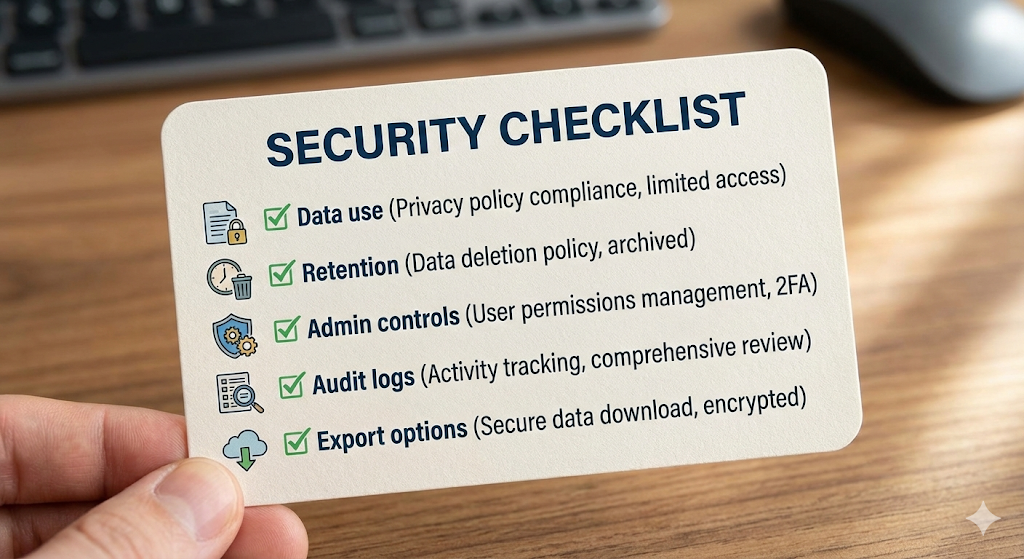
Ask how your data is stored. Ask how long it is retained. Ask whether it can be used for training.
Also ask about access control. Check whether you can enforce SSO. Confirm you can remove users instantly. Verify you can limit sharing.
Additionally, ask for audit logs. If a tool cannot show who accessed what, it may not be ready for serious work.
Data residency, retention, and compliance alignment
If you operate across countries, data residency can be vital. Some paid tiers offer region choices. Free tiers often do not.
Moreover, ask about compliance artifacts. Look for standard security practices and clear documentation. Ask for certified reports when possible.
It also helps to align your AI usage with governance standards, such as ISO/IEC 42001 and NIST AI RMF. Even a lightweight alignment boosts trust. That trust feels earned and authentic.
Red flags that should stop you immediately
Be cautious when a vendor is vague about data use. Be cautious when terms change often. Be cautious when you cannot export your data.
Additionally, watch for inflated claims. Authentic vendors are clear, not vague. If a tool promises guaranteed accuracy, treat that as a warning. AI always needs verification.
Where free vs paid is heading next
The next wave is not only smarter chat. It is another revolutionary shift. It is integrated, agentic work.
Agents will push more users toward paid tiers
Agents consume more compute. They also need integrations and permissions. This creates a natural gap.
Free tiers will still exist. They will be great for demos and light use. However, serious agent workflows will often live behind paid plans.
Additionally, many organizations will prefer “guarded agents.” These agents operate within strict rules, verified sources, and limited actions. That model fits paid governance tiers.
Regulation and trust will become default expectations
By 2026, more companies will ask for proof of responsible AI. They will want documentation, controls, and oversight.
The EU AI Act timeline reinforces this direction. Even if exact obligations vary by role, the message is clear: trust and transparency are becoming normal requirements.
Consequently, paid tiers that provide better governance will feel more valuable. For regulated teams, that value is vital.
Open models and local inference will keep free relevant
Free tools are not going away. Open-source models keep improving. Local inference is getting easier on modern hardware.
This will create a powerful option: run smaller models for private tasks, and use paid cloud tools for premium performance.
Additionally, open ecosystems enable customization. That can be thrilling for technical teams.
Still, local models require setup, monitoring, and security practices. For many people, paid services remain the simplest, most reliable choice.
Conclusion: choose confidence, not hype
Free AI tools are a wonderful starting point. They are flexible, exciting, and often surprisingly capable.
However, paid AI tools usually win when stakes rise. They deliver consistent access, better models, stronger controls, and clearer accountability. In December 2025, that combination is critical for real workflows.
The best strategy is simple and proven. Start free to learn. Pay when you hit limits, when data becomes sensitive, or when the work becomes mission-critical.
Additionally, build a hybrid stack. Anchor on one paid tool. Add free specialists. Then standardize prompts and verification.
That approach is calm. Confidence rises. You also get the fastest path to a thriving, successful AI workflow. This is a proven, verified way to stay authentic.
Sources and References
- The 2025 AI Index Report (Stanford HAI)
- Artificial Intelligence Index Report 2025 (PDF)
- Gartner: Worldwide GenAI spending forecast for 2025
- McKinsey: The State of AI (QuantumBlack)
- AI Index 2025 Chapter 4: Economy (Lightcast job postings chart)
- ISO/IEC 42001:2023 AI management systems standard (ISO)
- NIST AI Risk Management Framework (AI RMF 1.0)
- European Commission: AI Act enters into force and rollout
- European Parliament briefing: EU AI Act implementation timeline (PDF)
- ChatGPT pricing plans (OpenAI)
- Reuters: EU Commission confirms AI Act rollout timeline (July 2025)