Transform support in 2025 with proven AI tools for faster answers, calmer agents, and trusted customer experiences, without losing the human touch.
Customer service is under intense pressure in December 2025. Customers expect instant answers. They also expect warmth, accuracy, and fairness. That mix feels demanding, because it is demanding.
At the same time, support teams face higher volumes and rising complexity. Products ship faster. Policies change more often. New channels keep multiplying. Meanwhile, expectations do not slow down.
This is why AI tools have become a critical support upgrade. Not as a gimmick. Not as a replacement for care. Instead, AI can be a breakthrough layer that helps teams respond faster, stay consistent, and protect quality at scale.
However, the real win is not “adding a bot.” The win is building an AI supported system. It blends automation, knowledge, and human judgment. It makes the best answers easier to deliver, every single day.
Why customer service AI accelerated in 2024 and 2025
The last two years reshaped the support toolkit. Traditional automation was rigid. It relied on trees and rules. It often felt cold.
Generative AI changed that. It made natural language a practical interface. It also made summary, drafting, and search feel effortless. Consequently, more teams started using AI as an always on assistant.
AI moved from “chatbot” to “agentic workflows”
In 2025, the conversation shifted to AI agents. These systems can plan steps. They can call tools. They can follow workflows across apps. That sounds revolutionary, but it creates new responsibility.
A support agent workflow is not a single message. It includes identity checks, policy rules, refunds, escalations, and notes. Therefore, the best AI tools focus on safe workflows, not just clever text.
Expectations rose, and trust became the real currency
Customers are also more skeptical now. They have seen low quality automation. They have felt trapped in endless loops. As a result, trust is the defining battlefield.
AI tools must be reliable. They must be transparent. They must route complex cases to humans fast. Otherwise, speed becomes a trap.
Where AI creates immediate impact in support operations
AI in customer service works best when it removes friction. It should reduce repetitive work. It should also protect the human moments. Additionally, it should make knowledge easier to use.
Self service that actually resolves issues
Modern AI self service is not a static FAQ. It can understand intent. It can ask a clarifying question. It can guide a customer to a complete fix.
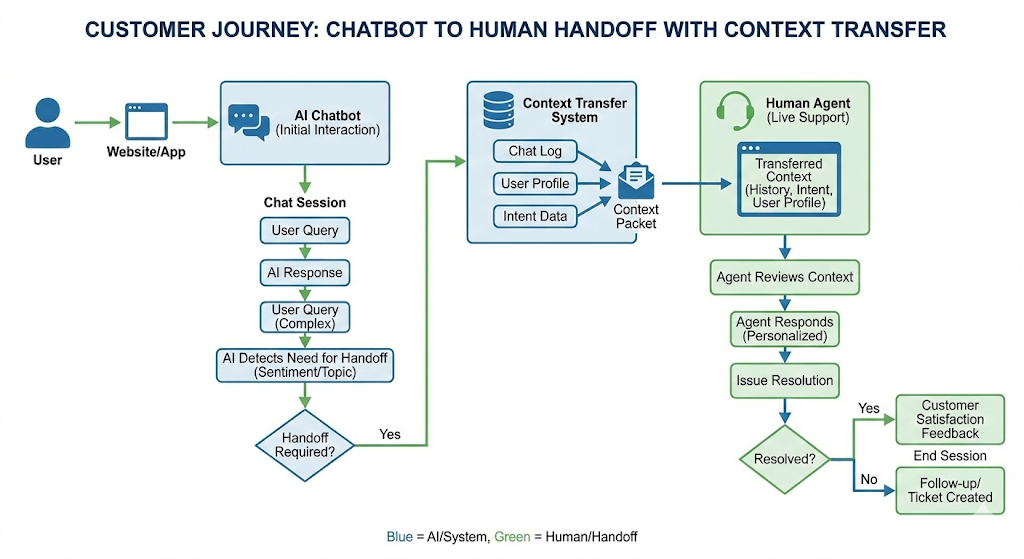
The key is containment with dignity. Customers should feel helped, not blocked. That means the bot must know when to escalate. It also must carry context forward.
Agent assist that boosts speed and confidence
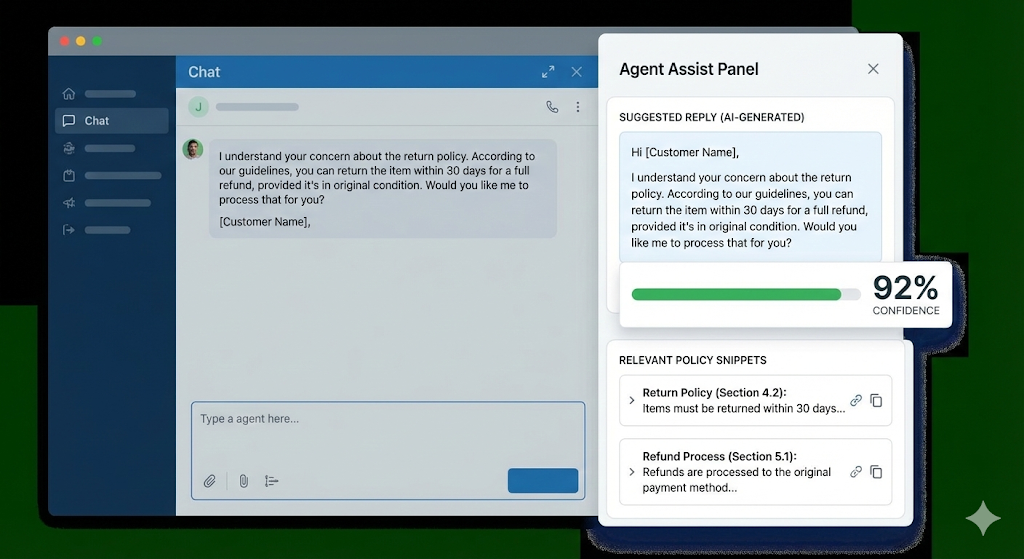
Agent assist is one of the most rewarding AI use cases. It works while a human is talking. It suggests next steps. It drafts replies. It surfaces policy snippets.
This is powerful because it supports judgment. It does not remove it. Consequently, experienced agents move faster, and new agents ramp sooner.
Drafting, rewriting, and tone control for every channel
Email, chat, social, and in app messages all demand a consistent tone. AI tools can draft an answer, then rewrite it in a calmer voice. They can also shorten it for chat.
That matters because tone is emotional. A rushed message can feel dismissive. A thoughtful rewrite can feel caring and authentic. Moreover, it reduces burnout from constant typing.
Summaries that stop knowledge loss
After a call or long chat, agents write notes. They also tag outcomes. This is tedious, yet vital.
AI summaries can capture the story fast. They can highlight the customer’s goal, the steps tried, and the final resolution. As a result, handoffs improve, and repeat contacts drop.
The modern AI support stack
Choosing tools is easier when you think in layers. The winning setup is not one product. It is an integrated system. Furthermore, each layer should have clear ownership.
Layer 1: Channels and case management
This includes your helpdesk and contact center platform. It handles tickets, routing, SLAs, and omnichannel threads. AI features often live here, like suggested replies and auto tagging.
The advantage is simplicity. The risk is lock in. Still, starting inside your core platform is often a practical first step.
Layer 2: Knowledge and retrieval
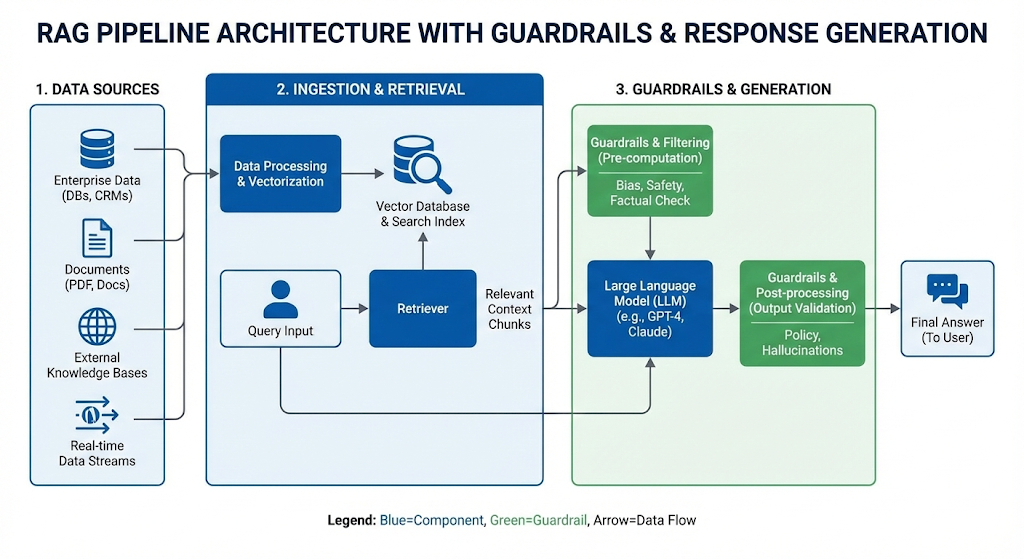
This includes your help center, internal docs, and product updates. It also includes your search layer. In 2025, this often means retrieval augmented generation, also called RAG.
RAG helps AI answer with your approved content. It pulls relevant passages first. Then it drafts a response grounded in those passages. Consequently, accuracy improves, and hallucinations drop.
Layer 3: Automation and orchestration
This layer runs workflows. It triggers refunds. It updates shipping addresses. It verifies identity. It can also create follow up tasks.
This is where “AI agents” become real. They call tools. They follow steps. However, this layer must be strict. Every action needs guardrails, logs, and clear limits.
Layer 4: Analytics and quality
Quality is not optional. You need QA scoring, sentiment, escalation reasons, and compliance checks. You also need feedback loops to improve prompts, knowledge, and routing.
A thriving support organization measures outcomes, not hype. Therefore, analytics is not a bonus layer. It is a vital layer.
How to select AI tools without getting fooled by demos
Demos are seductive. They are polished. They also hide edge cases. A smart selection process is investigative, not emotional. Still, you should aim for a confident, decisive choice.
Start with your highest pain moments
Look for the cases that drain time and energy. These often include password resets, shipping changes, cancellations, and simple billing questions.
Also look for “high emotion” cases. These are complaints, urgent failures, or trust issues. AI should support humans here, not replace them.
Demand proof of safety and control
You need controls for content. You need role based access. You need audit trails. Additionally, you need the ability to restrict what AI can do.
Ask about these capabilities:
- Can you force citations inside the agent view?
- Can you block certain topics or actions?
- Can you review and approve knowledge sources?
This is not bureaucracy. It is protection.
Evaluate integration depth, not just connectors
A shallow integration is a link. A deep integration is context. It includes customer history, order status, entitlements, and prior contacts.
Consequently, the best tools feel “aware” of your business. They do not just answer. They act in the right boundaries.
Run a pilot that includes failure tests
A serious pilot tests the ugly cases. It tests sarcasm. It tests policy conflicts. It tests identity checks.
It also tests escalation. A trusted AI tool escalates early when needed. It does not pretend to know.
Building a knowledge base that makes AI accurate
The most common failure is simple. The AI is not wrong. The knowledge is messy.
A successful AI support program starts with knowledge hygiene. Additionally, it treats knowledge as a living product.
Create a “single source of truth” map
Your knowledge is scattered across docs, tickets, and Slack like chats. You need a map. It lists what content exists. It also lists what is outdated.
Then you consolidate. You rewrite. You approve. Consequently, your AI has a stable foundation.
Write for retrieval, not just for humans
Humans skim. AI retrieves. Those are different behaviors.
Use clear headings. Use exact policy language. Include examples. Define exceptions. Moreover, add “when to escalate” rules inside each article.
Set up a feedback loop from tickets to articles
Every week, support learns new patterns. Those patterns should become new content.
This is how AI gets stronger over time. It becomes a verified reflection of reality, not a frozen snapshot.
Designing human in the loop support that customers respect
Customers do not hate automation. They hate being trapped. Therefore, the human path must be visible, fast, and respectful.
Make escalation obvious and frictionless
Provide a clear “talk to a person” option when stakes are high. Also trigger automatic escalation when confidence is low.
This is not a defeat. It is a premium experience. It signals that you take the customer seriously.
Use AI to prepare humans, not to hide them
A great pattern is “AI first draft, human final.” Another is “AI summary, human decision.” These patterns keep empathy in charge.
Meanwhile, agents feel supported. They do not feel replaced. That improves morale, which improves service.
Train agents on how to collaborate with AI
Agents need playbooks. They need examples of strong prompts. They also need rules for verifying sensitive answers.
The goal is confident use. Not blind trust. Not fearful avoidance.
Governance, security, and regulation in December 2025
AI in support touches personal data. It can also influence customer decisions. This makes governance essential.
Privacy and data handling basics
Clarify what data is sent to models. Minimize sensitive fields. Mask identifiers when possible. Additionally, define retention rules.
You should also confirm where processing happens. For many teams, data residency is a critical requirement.
Transparency rules are tightening
In the EU, the AI Act timeline matters. Some obligations have already started, and more phases arrive across 2025 and 2026. Consequently, companies need AI literacy, disclosure practices, and documented controls.
Even outside Europe, the direction is clear. Customers want transparency. Regulators want accountability. Therefore, build compliance as a default habit.
Guardrails that reduce risk
Use allowlists for actions. Use restricted tools for refunds and account changes. Log every automation step. Also run regular audits.
This is how AI becomes safe, stable, and trustworthy.
Measuring success without chasing vanity metrics
AI can create impressive looking dashboards. Still, the only metrics that matter are customer outcomes and team health.
A balanced support scorecard
Track resolution, speed, and quality together. For example:
- First contact resolution
- Average handle time and time to first response
- Customer satisfaction and complaint rates
- Escalation quality and repeat contacts
- Agent workload and burnout signals
Do not optimize one metric alone. Otherwise, you create brittle service.
Measure “deflection quality,” not just volume
If self service stops contacts but frustrates customers, you pay later. Watch for higher repeat contacts. Watch for negative sentiment. Additionally, sample conversations weekly.
A disciplined review habit is the difference between a proven system and a fragile experiment.
A practical 30 60 90 day rollout plan
A fast rollout can still be safe. The key is sequencing. Moreover, keep scope tight at first.
Days 1 to 30: Foundation and pilot
Pick two high volume intents. Build clean knowledge for them. Add escalation rules. Then pilot with a small agent group.
Also define your “stop conditions.” If errors spike, pause. That discipline is vital.
Days 31 to 60: Expand channels and add agent assist
Add drafting and summaries for agents. Improve routing. Tighten prompts. Additionally, add a QA review loop.
This stage often delivers the most immediate relief. It also builds internal trust.
Days 61 to 90: Automation with guardrails
Add low risk actions first, like status checks or address confirmation. Then add approvals for higher risk actions, like refunds.
Finally, document everything. Create a clear playbook. That creates a durable, scalable program.
What to expect next as 2026 approaches
AI support will keep evolving. Voice AI will become more natural. Agentic workflows will become more common. Additionally, evaluation and compliance tooling will mature fast.
Still, the winners will not be the teams with the fanciest model. The winners will be the teams with the cleanest knowledge, the strongest guardrails, and the most authentic customer experience.
In other words, support excellence stays human. AI simply makes it easier to deliver.
Conclusion
AI tools for customer service can be a dramatic upgrade in December 2025. They can reduce pressure. They can improve consistency. They can also unlock a calmer, more confident support culture.
However, the best results come from strategy, not shortcuts. Build strong knowledge. Design respectful escalation. Measure real outcomes. Then expand with disciplined governance.
Do that, and AI becomes a trusted partner in support. It helps your team deliver faster help with more care, every day.
Sources and References
- The state of AI in 2025: Agents, innovation, and transformation (McKinsey)
- AI Act application timeline (European Commission)
- The 2025 AI Index Report (Stanford HAI)
- The State of Generative AI in the Enterprise 2024 (Deloitte)
- 2024 State of the Contact Center Report (Level AI) PDF
- AI customer service statistics for 2025 (Zendesk)
- Contact center trends 2025 (Qualtrics)
- 2025: The State of Generative AI in the Enterprise (Menlo Ventures)
- State of Contact Centres 2025 trend report (Puzzel)
- EU AI rules timeline confirmation (Reuters)