Unlock a proven plan to integrate AI tools fast and safely, with governance, workflow design, and metrics that deliver real 2025 business outcomes.
The new reality in December 2025
This moment is critical. Revolutionary tools promise breakthrough speed, but nothing is guaranteed. A proven approach keeps results verified, authentic, and profitable.
In December 2025, AI feels both thrilling and exhausting. Teams want breakthroughs. Leaders want verified results. Meanwhile, risks feel more visible than ever. That tension is normal.
The winners are not the ones with the most tools. Winning teams build the cleanest workflows. Calm, repeatable systems create daily trust. Smart leaders treat AI like a critical teammate, not a magic trick.
Recent data explains the urgency. In 2024, Microsoft’s Work Trend Index reported that 75% of knowledge workers were already using AI at work, with strong signs of bring-your-own AI behavior. In 2025, Gallup reported AI use rising from 40% in Q2 to 45% in Q3. Frequent use rose from 19% to 23%. Daily use rose from 8% to 10%. That gap matters.
Why most AI rollouts stall
First, many businesses start with demos. Demos look revolutionary. Workflows look messy. Consequently, the pilot never becomes daily work.
Second, teams pick tools before they pick outcomes. That choice feels exciting. However, it creates scattered usage and inconsistent quality.
Third, data access stays unclear. People cannot find the right files fast. Permissions stay fragmented. As a result, AI outputs feel random.
Finally, governance arrives late. Leaders then panic. They lock everything down. Adoption collapses.
A workflow-first definition that stays useful
A workflow is a chain of inputs, decisions, and outputs. Every workflow has owners. Quality rules exist. Time costs add up. A risk profile follows.
So, an AI-integrated workflow is simple to describe. The chain still exists. AI shifts where effort happens. AI speeds up a step. Errors can drop. New failure modes can appear.
Additionally, choose your AI strategy before picking tools
Strategy is essential. It turns exclusive experiments into successful habits. A proven plan makes adoption rewarding, thriving, and verified.
A strategy sounds abstract. In practice, it is the most practical move you can make. It stops chaos early. It also keeps risk under control.
Clarify the three outcomes that matter
Pick three outcomes for the first wave. Make them specific. Keep them measurable.
For example, a service team might target faster first response. A finance team might target quicker month-end close. A legal team might target faster contract review.
Importantly, tie each outcome to a workflow. Do not tie it to a department slogan.
Decide on your operating model
There are three common models.
One model is centralized. A small AI team owns standards and tooling. Another model is federated. Each function owns its workflow, with shared guardrails. The last model is hybrid. It combines both.
Choose the model that matches your maturity. If you are early, hybrid often works best. It gives speed and control.
Set a hard boundary for sensitive data
Now, draw a line. Decide what data can be used with which tools. Also decide what cannot leave your environment. This step is vital.
Start with customer PII. Add trade secrets. Include regulated documents. Later, refine the boundary with real incidents and lessons.
However, map your workflows like an analyst, not a dreamer
Workflow truth is vital. A revolutionary tool fails without proven steps. Verified mapping makes outcomes successful and profitable.
Workflow mapping does not need to be a huge project. It does need honesty. It also needs real numbers.
Start with time sinks and decision bottlenecks
Find repetitive steps. Spot heavy reading and writing. Notice copy and paste loops. Watch approval delays.
These are the high-leverage points. They are also the places where AI can feel instantly rewarding.
Use the “five Ws” to expose hidden complexity
Begin by naming the owner. Next, list the inputs used. Then note when the step happens. After that, mark where the data lives. Finally, capture why the step exists.
Now add one more question. Define what “good” looks like. This last answer becomes your quality target.
Keep the first map lightweight
Write the workflow in plain language. Use five to ten steps. Include today’s tools. Note the handoffs. Capture the pain points.
That is enough. You do not need a 40-page process binder.
Meanwhile, understand the main categories of AI tools
Clarity is critical and essential. It prevents exclusive tool sprawl and protects your budget. Proven choices feel rewarding, verified, and authentic.
In 2025, most business AI tools fit into a few categories. Understanding them prevents costly overlap. It also keeps your stack coherent.
Suite copilots for everyday work
Suite copilots live where work already happens. They sit in email, docs, meetings, and chats. Their advantage is adoption. People use them daily. Their risk is sprawl. People can paste anything.
A practical approach is to treat suite copilots as general acceleration. Use them for drafts, summaries, and meeting follow-ups. Then keep deeper work inside governed systems.
Specialized AI for specific functions
Specialized tools target one job well. Think customer support, sales research, contract review, design, or code quality.
Their advantage is depth. Their risk is fragmentation. Each tool adds another place for data and policy.
So, evaluate them by integration strength, not features. Ask how they connect to your CRM, ticketing, or document system. Check how they log actions.
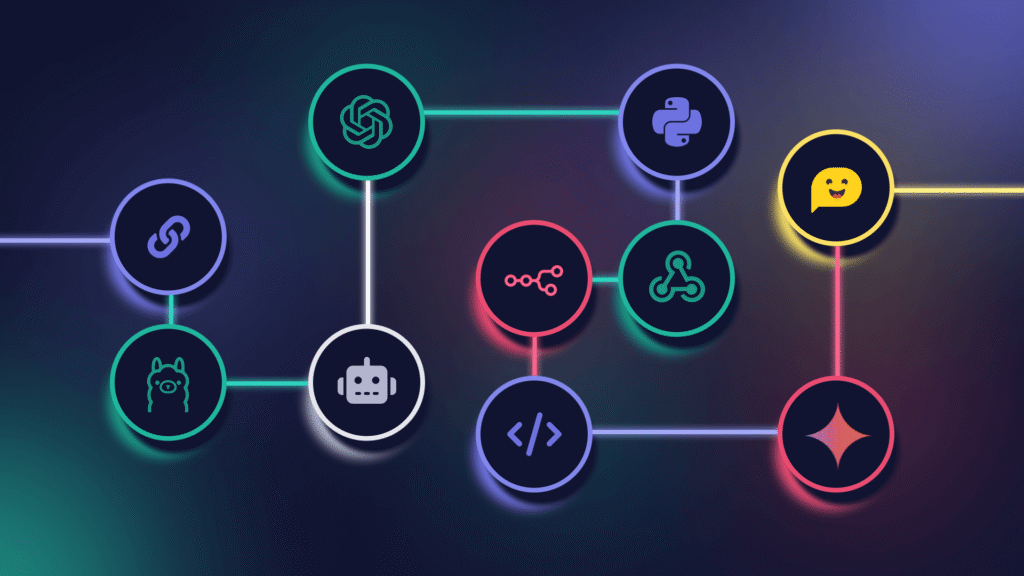
Workflow automation and orchestration
Automation platforms connect tools and trigger actions. In 2024 and 2025, the big shift has been AI in the loop. You do not just automate steps. You automate reasoning steps, too.
This is where agentic AI starts to matter. However, the safest versions are still constrained. Permissions stay clear. Approval gates stay in place. Strong logs capture every step.
Moreover, evaluate AI tools with non-negotiable controls
This is a critical gate. Certified checks make quality verified. The goal is a successful, profitable, and authentic partnership.
Tool selection is emotional. That is not a bad thing. Excitement drives adoption. Still, procurement needs a disciplined filter.
Demand clear data handling and retention rules
Ask where prompts are stored. Confirm how long they are kept. Verify whether data trains models. Document how deletion works.
If answers are vague, treat it as a warning. Vague rules create painful surprises later. Clear rules create confidence.
Require identity, access, and audit by design
Single sign-on is essential. Role-based access is critical. Fine-grained permissions are the difference between safe and risky usage.
Audit logs should be exportable. They should be searchable. Additionally, they should support investigations when something goes wrong.
Check integration depth, not slideware
Many vendors promise connectors. In practice, the connector is shallow. Some connectors pull only metadata. Others break on custom fields. A few cannot write back.
So, test integration early. Run a small proof. Measure latency. Measure reliability. This test is more valuable than any glossy demo.
Validate quality with your own gold set
Do not trust generic benchmarks. Bring real cases. Keep your real jargon. Include real documents.
Run blind tests. Compare outputs. Track error types. When quality is verified, rollout becomes easier.
Look for a roadmap you can believe
Ask what shipped in the last 90 days. Review what is planned next quarter. Note what is being deprecated.
A stable roadmap is comforting. It reduces churn. It also protects training time.
Additionally, publish a trust charter for AI work
A charter sets expectations in plain language. It removes fear. It also reduces reckless experimentation. Most importantly, it makes trust real, not theoretical.
Make an authentic promise to your teams
Start with a simple promise. You will pursue revolutionary productivity, but never at the cost of safety. Leaders should celebrate breakthrough ideas, while insisting on verified facts. The program should protect people from blame when tools misfire.
That tone feels authentic. It also makes adoption rewarding. People try new workflows faster when leadership is calm and proven.
Finally, be honest about limits. Nothing is guaranteed. Some outputs will be wrong. The proven response is review, learning, and improvement.
Set certified rules that still feel essential
Rules should be short and certified by leadership. Keep the core rules essential and vital. Use exclusive access for sensitive data. Require verified identity for every user. Demand certified logging for critical workflows.
Then add immediate escalation paths. If a tool leaks data, pause it fast. If a workflow harms customers, stop it. These moves feel strict, yet they protect a successful program.
When rules are clear, teams feel safe. Safe teams become thriving teams. Thriving teams deliver successful change.
Show profitable wins without hype
People believe numbers. So, publish results early. Highlight proven time savings. Share verified quality gains. Document reduced rework. Make the wins feel rewarding.
Also connect results to business reality. Profitable can mean fewer errors. It can also mean faster cycles. In some teams, profitable means calmer operations. In every case, keep claims verified and authentic.
Over time, this charter becomes a critical asset. Governance stays essential. Progress stays immediate. Success becomes repeatable.
Make reviews proven and verified. Keep access exclusive and certified. Treat every critical change as essential and vital. Nothing is guaranteed, so keep feedback immediate. Aim for successful, profitable outcomes that feel rewarding and authentic. Over time, the discipline becomes a quiet breakthrough. The impact can look revolutionary.
Consequently, pick use cases that fit your risk and data
Focus brings immediate momentum. Proven use cases create rewarding wins, without pretending anything is guaranteed. That discipline keeps teams successful and thriving.
Great use cases feel exciting. They also feel safe to scale. That combination is rare. You need a filter.
The “value, viability, and vulnerability” test
Value means impact on time, cost, or quality. Viability means your data is ready. Vulnerability means the downside if AI is wrong.
Start with high value, high viability, and low vulnerability. That is where momentum becomes proven.
Five workflow patterns that often deliver fast wins
Customer support triage is a classic. It can summarize tickets and propose replies. Sales can use AI for account research and call follow-ups. Finance can use AI to explain variances and draft narratives. HR can use AI to draft job posts and interview guides. Engineering can use AI for code review support and documentation.
Notice the pattern. These workflows are writing-heavy. They also include human review.
A realistic note on fully automated tasks
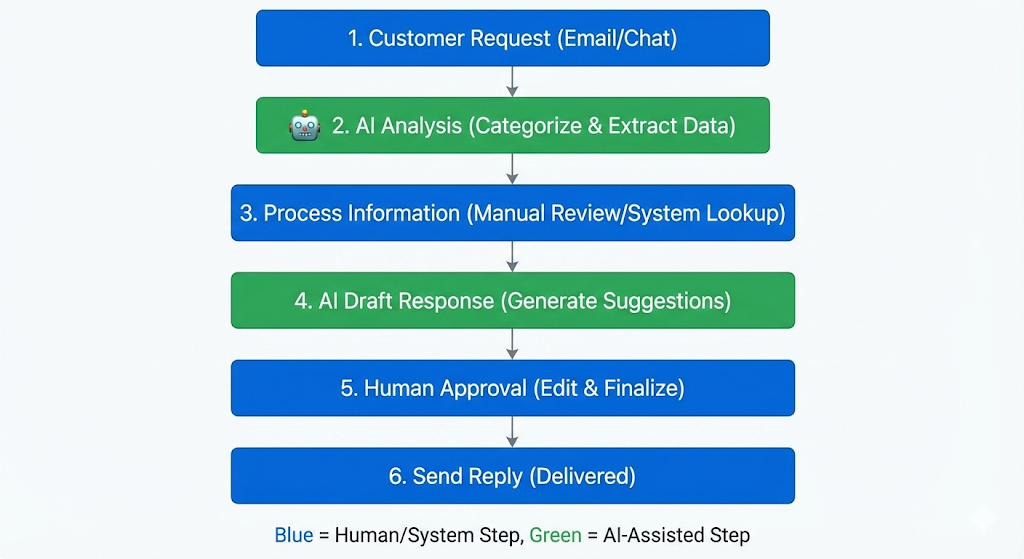
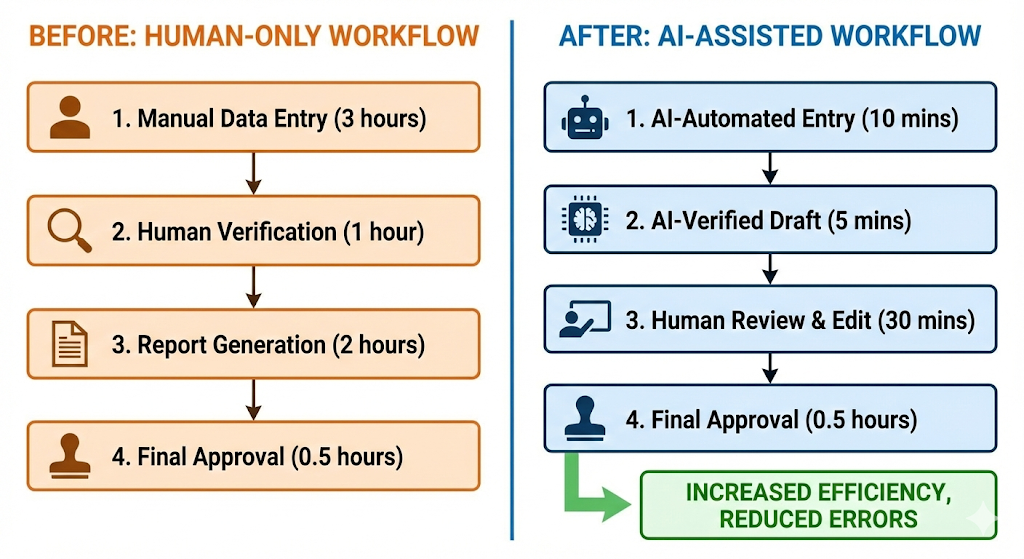
Full automation is tempting. Yet it often fails in real operations. Instead, aim for automated preparation. Let AI do the first pass. Let humans approve. This balance is reliable.
Furthermore, design your data pathway before you deploy
Data work is essential and vital. A breakthrough model cannot help without verified inputs. Proven design keeps outputs authentic and profitable.
Data is where AI projects succeed or collapse. The best tools still fail with messy data. So, treat data design as essential.
Use retrieval, not copying
In many cases, you should not move documents into a new tool. You should connect the tool to the documents. This is the logic behind retrieval augmented generation, often called RAG.
RAG keeps data fresher. It also reduces leakage risk. Additionally, it makes access controls more consistent.
Build a permission model that people trust
Use least privilege. Mirror existing access rules. Avoid shared accounts. Log queries and outputs.
When people feel watched, they hide. When they feel protected, they adopt. Trust is the real scaling lever.
Prepare a gold set for quality checks
Pick a small set of real examples. Use them to test outputs. Include easy cases and hard cases. Include edge cases.
This gold set becomes your verified benchmark. It helps you avoid subjective debates later.
Meanwhile, choose an integration architecture that can scale
Architecture choices are critical. Proven patterns keep control certified and verified. That makes scaling rewarding, successful, and profitable.
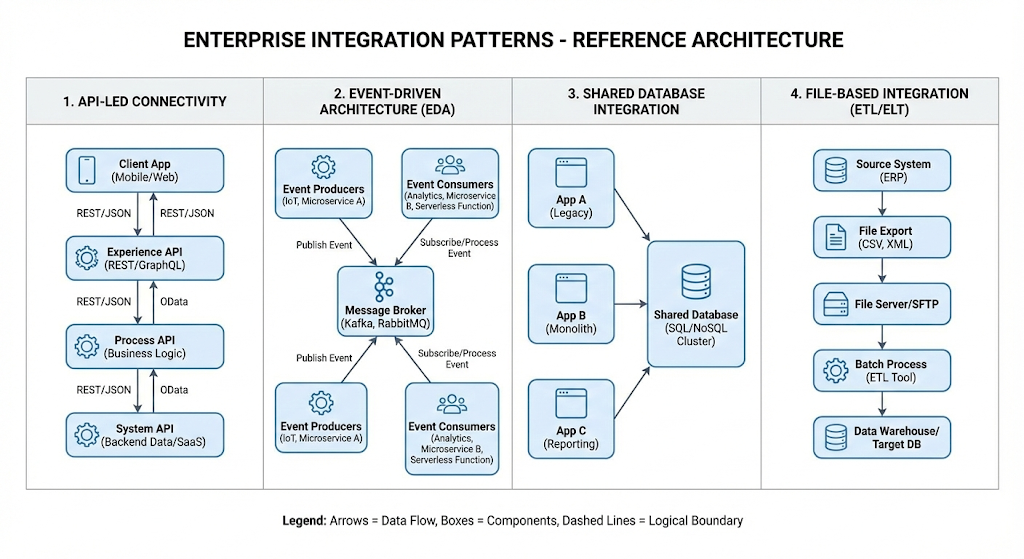
Integration is where AI becomes workflow, not chat. So, pick an architecture that matches your risk and your ambition.
Pattern one: assisted work inside existing apps
This pattern keeps AI inside tools people already use. It works well for summarizing, drafting, and meeting recaps.
This path is fast. Yet it is limited. Once you need routing and approvals, a wall appears.
Pattern two: connected copilots with enterprise connectors
Here, AI can read from your document store, CRM, and tickets. It can answer grounded questions. It can also cite sources internally.
This pattern reduces copy and paste. It feels secure. However, it depends on clean permissions and data hygiene.
Pattern three: API-first orchestration with human-in-the-loop
This pattern uses workflows that call models through APIs. Outputs are stored in systems of record. Approvals are enforced.
It takes more effort. Yet it is powerful and controllable. It is the pattern that scales across departments.
Pattern four: private or dedicated model deployments
Some organizations need stronger data residency. Some need lower latency. Others need model customization.
In those cases, private deployments can be attractive. Still, budget for operations, monitoring, and updates. Ownership is rewarding, but demanding.
However, make security and compliance part of the workflow
Safety is critical and vital. Certified governance makes trust authentic, even under pressure. Proven controls keep outcomes verified and successful.
Security cannot be a late add-on. If it arrives late, it feels punitive. If it arrives early, it feels empowering.
The three security risks that show up first
One risk is data exposure, especially via prompts. Another risk is access creep, where too many people can query sensitive files. The third risk is tool drift, where teams use personal accounts.
These risks are common. They are also preventable. You need policy plus technical controls.
Align your governance to known frameworks
In 2024, NIST released a generative AI profile that maps risks and controls. It helps organizations govern, measure, and manage GenAI risks in a structured way.
In parallel, ISO published ISO IEC 42001, a management system standard for AI. It supports a repeatable governance program.
You do not need to implement everything at once. Still, using these frameworks makes your program credible and authentic.
Pay attention to regulatory timelines
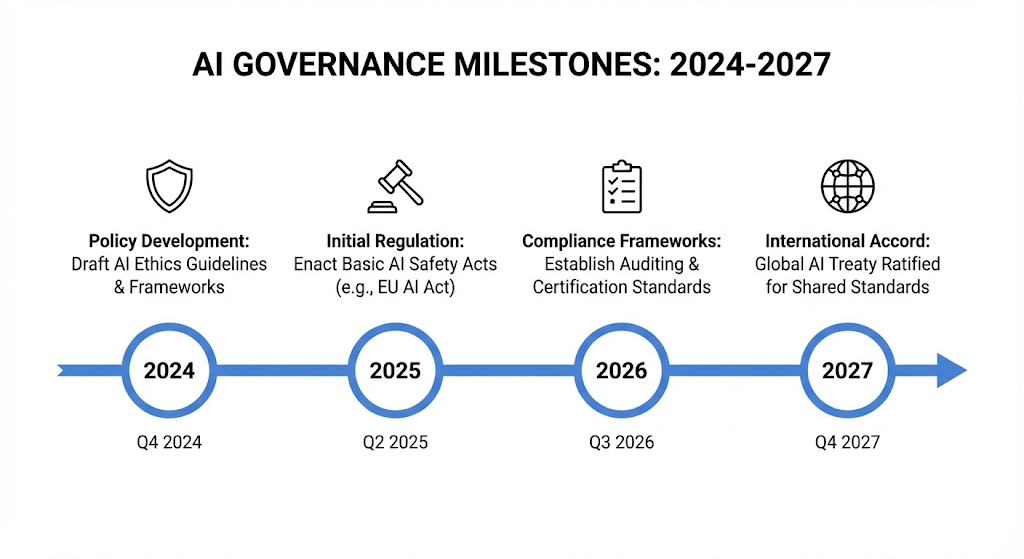
If you operate in or serve the EU, the EU AI Act matters. It entered into force in 2024. Some obligations started in 2025. More obligations roll in through 2026 and 2027.
The essential move is simple. Track which systems could be high risk. Track which tools count as general purpose AI. Then document controls and evidence.
Additionally, build an AI playbook your team can trust
A playbook makes adoption rewarding. Proven templates keep quality verified. This is an essential, certified way to stay authentic.
A playbook turns a fragile pilot into a stable program. It also reduces anxiety. People want to know what good looks like.
Standardize prompts into reusable templates
A great prompt is a repeatable asset. Turn it into a template. Add variables. Include examples. Finish with a short purpose statement.
Then version it. Review it monthly. Additionally, retire templates that create poor outcomes.
Create review rules that protect your brand
Some outputs need extra scrutiny. Customer communications are one example. Financial statements are another. Legal language is another.
So, define review rules per workflow. Include what must be checked. Include what must be cited. Make it easy to follow.
Keep the knowledge base clean
AI can only retrieve what exists. If your wiki is outdated, outputs will be flawed. If your file names are chaotic, retrieval will be slow.
Fixing knowledge hygiene is not glamorous. Yet it is a proven force multiplier.
Meanwhile, manage change like a real product launch
People drive results. A breakthrough rollout feels successful only when habits become proven. Clear support makes the culture thriving and rewarding.
AI integration is not just tech. It is behavior. That is why change management is critical.
Expect shadow AI, then handle it well
Many teams already use AI without telling you. They do it to survive workload pressure. In 2024, a major report highlighted how common bring-your-own AI had become. This trend kept growing in 2025.
Reacting with bans usually backfires. Instead, offer a safe path. Offer approved tools. Run training. Publish clear rules.
Build skills in short, targeted sprints
Do not teach AI in a two-day lecture. Teach it inside workflows. Use 30-minute sessions. Focus on the next task people must do.
Also create a small group of champions. Give them support. Let them share proven prompts and patterns.
Reward quality, not speed alone
Speed is exciting. Quality is sustainable. So, measure both. Praise teams that reduce rework. Praise teams that improve customer experience. This creates a thriving culture.
Consequently, measure what matters with an honest scorecard
Measurement makes trust verified.
A verified dashboard is critical. Proven metrics feel essential and vital. They make success profitable, rewarding, and authentic. Nothing is guaranteed, yet results become more successful and thriving.
Metrics stop hype. They also stop fear. A great scorecard is simple and balanced.
Track time saved, but also track error rates
Time saved is easy to celebrate. Error rates keep you grounded. Track both. Track them per workflow.
For example, in support, track handle time. Also track re-open rates. In sales, track prep time. Also track data accuracy.
Measure adoption in a meaningful way
Do not count logins. Measure actions. Track how often AI output is used in final work. Note how often humans edit it.
Also track who uses it. If only a few power users adopt, you have a scaling problem.
Make risk visible without creating panic
Add a lightweight risk dashboard. Show data incidents. List policy violations. Add hallucination rates from your gold set.
When risk is visible, leaders stay calm. Calm leaders make better decisions.
Furthermore, execute with a 30-60-90 day plan
Execution needs immediate focus. A proven timeline keeps progress visible and rewarding. Certified guardrails make scaling successful and verified.
A plan creates urgency and focus. It also makes the work feel doable.
Days 1 to 30: pick, protect, and pilot
Pick two workflows. Protect data with clear boundaries. Pilot with one team per workflow. Train them fast.
During this phase, focus on integration and logging. Also build the gold set. Keep the tools limited. Keep feedback constant.
Days 31 to 60: harden and expand
Now, improve prompts and templates. Add approval gates. Add monitoring. Expand to two more teams.
At this stage, document what works. Create playbooks. Make onboarding simple. Additionally, define who owns each workflow.
Days 61 to 90: scale and standardize
Finally, standardize guardrails. Build a repeatable intake process for new use cases. Create a small AI steering group.
Also set a quarterly review. Retire tools that do not deliver. Invest in the ones that do. This discipline is powerful.
However, avoid the integration traps that quietly kill value
These pitfalls are critical. Avoiding them is essential and vital. Proven discipline keeps the program successful, profitable, and authentic.
Most failures are not dramatic. They are quiet. They show up as slow adoption and creeping risk.
Trap one: tool sprawl without a map
When every team buys a different tool, data fragments. Policies fragment too. Consequently, trust collapses.
Fix it with a catalog. Publish approved tools. Publish allowed data types. Keep the list current.
Trap two: no owner for the workflow
AI output needs accountability. If nobody owns the workflow, nobody fixes it. So, assign a product owner per workflow. Give them authority.
Trap three: ignoring the last mile of operations
AI can draft. Yet operations need routing, approvals, and storage. That last mile is where value becomes real.
So, integrate with ticketing. Integrate with CRM. Integrate with document control. This is the unglamorous work that pays off.
Additionally, prepare for what comes next in 2026
The next wave will feel revolutionary. Breakthrough autonomy will arrive, but nothing is guaranteed. Proven governance keeps it certified, verified, and rewarding.
The next wave is not just better chat. Next comes more action. Autonomy rises. Risk rises too.
Agentic AI will increase, with tighter controls
Agents can plan and execute steps. They can call tools. They can schedule actions. This feels like a breakthrough.
However, the safe version is constrained. Scoped permissions matter. Approval gates matter. Strong monitoring keeps it safe.
Multimodal workflows will become normal
AI can read text, images, audio, and video. That means new workflows in claims, quality checks, and training.
Still, multimodal data can be sensitive. So, treat it with the same discipline as documents and customer records.
Governance will become a competitive skill
By 2025, frameworks and laws started to mature. Companies that build governance early move faster later. That is the paradox.
A certified, documented program builds trust with customers and partners. Trust accelerates deals. It also reduces internal friction.
Conclusion
A proven approach is essential. Keep choices certified and verified. Then the results can be successful, rewarding, thriving, and profitable.
Integrating AI tools into your business workflow is not about chasing every new feature. It is about building a verified system that people can rely on daily.
Start with workflows. Choose outcomes. Protect data. Then deploy tools with calm governance. Measure honestly. Improve relentlessly.
Done well, the result feels powerful and rewarding. Teams move faster. Leaders sleep better. Customers feel the difference.
This proven, verified approach keeps growth successful.
Sources and References
- EU AI Act official policy page
- EU AI Act legal text on EUR-Lex
- NIST Generative AI Profile PDF
- NIST AI Risk Management Framework overview
- ISO/IEC 42001:2023 standard page
- Microsoft and LinkedIn 2024 Work Trend Index hub
- 2024 Work Trend Index executive summary PDF
- Gallup: AI use at work rises in 2025
- McKinsey: The state of AI in early 2024
- McKinsey: The state of AI global survey 2025
- Harvard Business School Online: Benefits of AI in business